How to construct the passive.
1. Check to see if the active sentence contains an object.
John ate an apple. (S V O) Passive is possible.
John ate yesterday. (S V) Passive is not possible.
2. Move the object to the front of the sentence. Put the original subject in a "be" phrase .
An apple (V) by John.
3. Put the verb in the form "be" +3 (of main verb)
An apple У be Ф eaten by John.
4. Put the "be" in the same tense as the original active sentence.
An apple was/were eaten by John. ( past tense)
5. Make the first verb agree with the new subject.
An apple was eaten by John.
(Put other elements of the sentence in grammatical and logical order.)
Yesterday the large green apple was quickly eaten by John, who didnТt realize that it belonged to his sister.
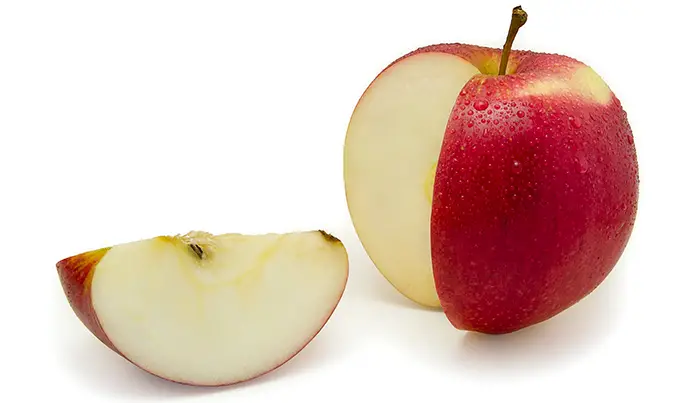
When other (auxiliary) verbs and modals are used in combination with the passive, remember:
| |
Modal + 1
(Modal) |
Have + 3
(Perfect) |
be + V-ing
(Progressive) |
be + 3
(Passive)
|
|
| The apple |
should |
have |
been |
being |
eaten by John |
Combination of auxiliary verbs with the passive.
Present Tense
| |
Modal + 1
(Modal) |
Have + 3
(Perfect) |
be + V-ing
(Progressive) |
be + 3
(Passive) |
|
| The apple |
|
|
|
is eaten |
by
John |
Past Tense
| |
Modal + 1
(Modal) |
Have + 3
(Perfect) |
be + V-ing
(Progressive) |
be + 3
(Passive) |
|
| The apple |
|
|
|
was eaten |
by
John |
Present ProgressiveTense
| |
Modal + 1
(Modal) |
Have + 3
(Perfect) |
be + V-ing
(Progressive) |
be + 3
(Passive) |
|
| The apple |
|
|
is |
being eaten |
by
John |
Past Tense
| |
Modal + 1
(Modal) |
Have + 3
(Perfect) |
be + V-ing
(Progressive) |
be + 3
(Passive) |
|
| The apple |
|
|
was |
being eaten |
by
John |
Present Perfect Tense
| |
Modal + 1
(Modal) |
Have + 3
(Perfect) |
be + V-ing
(Progressive) |
be + 3
(Passive) |
|
| The apple |
|
have |
|
been eaten |
by John |
Present Perfect Progressive
| |
Modal + 1
(Modal) |
Have + 3
(Perfect) |
be + V-ing
(Progressive) |
be + 3
(Passive) |
|
| The apple |
|
have |
been |
being eaten |
by John |
Past Perfect Progressive
| |
Modal + 1
(Modal) |
Have + 3
(Perfect) |
be + V-ing
(Progressive) |
be + 3
(Passive) |
|
| The apple |
|
had |
been |
being eaten |
by John |
Future/Modal
| |
Modal + 1
(Modal) |
Have + 3
(Perfect) |
be + V-ing
(Progressive) |
be + 3
(Passive) |
|
| The apple |
will |
|
|
be eaten |
by John |
Future/Modal
| |
Modal + 1
(Modal) |
Have + 3
(Perfect) |
be + V-ing
(Progressive) |
be + 3
(Passive) |
|
| The apple |
is going to |
|
|
be eaten |
by John |
Modal
| |
Modal + 1
(Modal) |
Have + 3
(Perfect) |
be + V-ing
(Progressive) |
be + 3
(Passive) |
|
| The apple |
must |
|
|
be eaten |
by John |
Past Modal
| |
Modal + 1
(Modal) |
Have + 3
(Perfect) |
be + V-ing
(Progressive) |
be + 3
(Passive) |
|
| The apple |
must |
have |
|
been eaten |
by John |
Combination
| |
Modal + 1
(Modal) |
Have + 3
(Perfect) |
be + V-ing
(Progressive) |
be + 3
(Passive) |
|
| The apple |
must |
have |
been |
being eaten |
by John |